History
Intent
At Jenyns First School and Nursery, our History curriculum inspires children to be curious about the past and understand how it has shaped the world in which we live. Through the study of local, national and world history, pupils develop a secure chronological understanding and learn to ask questions, consider evidence and think critically.
We aim to:
- Develop curiosity and a love of learning about the past.
- Build knowledge of significant people, events and historical periods.
- Develop chronology, making connections between different periods of history.
- Explore our local history and understand how the past has shaped our community and society.
- Develop historical skills, including questioning, interpreting evidence and explaining change and significance.
- Promote empathy and respect, encouraging children to consider different perspectives and experiences.
- Ensure inclusion, enabling every child to engage with and enjoy History and achieve their potential.
We teach from National Curriculum (see below link) supported by the Grammarsaurus Primary History scheme of work. In EYFS, History is introduced through Understanding the World, building the knowledge, vocabulary and curiosity that provide a strong foundation for learning in Key Stage 1.
Implementation
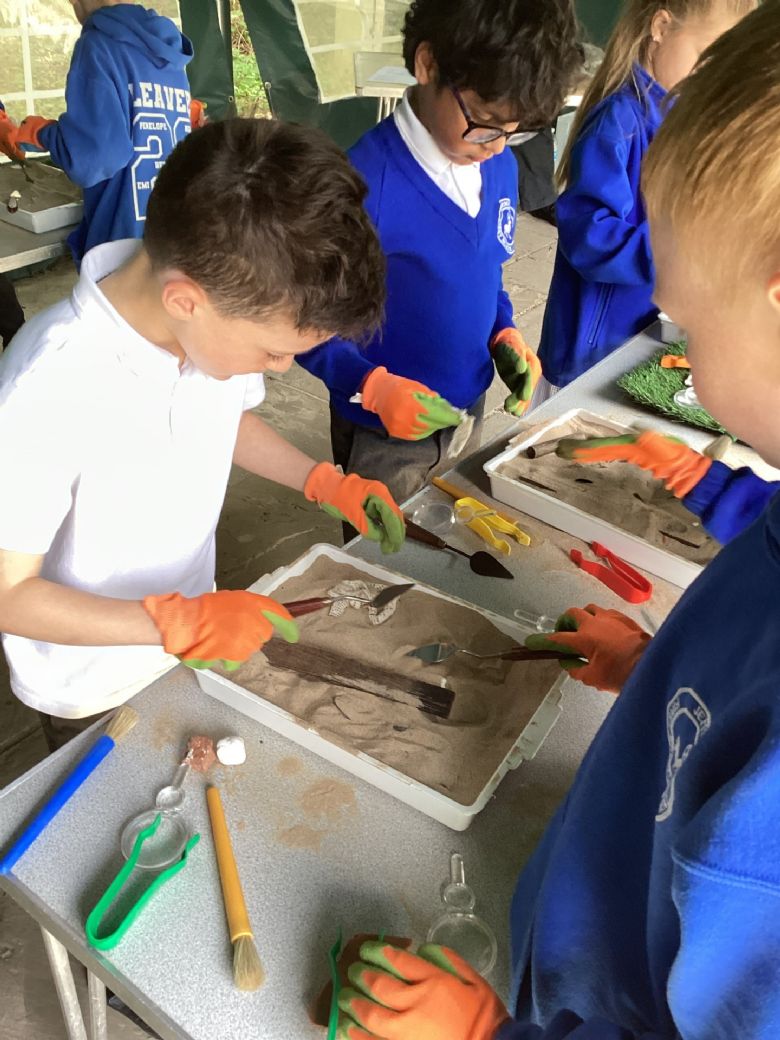
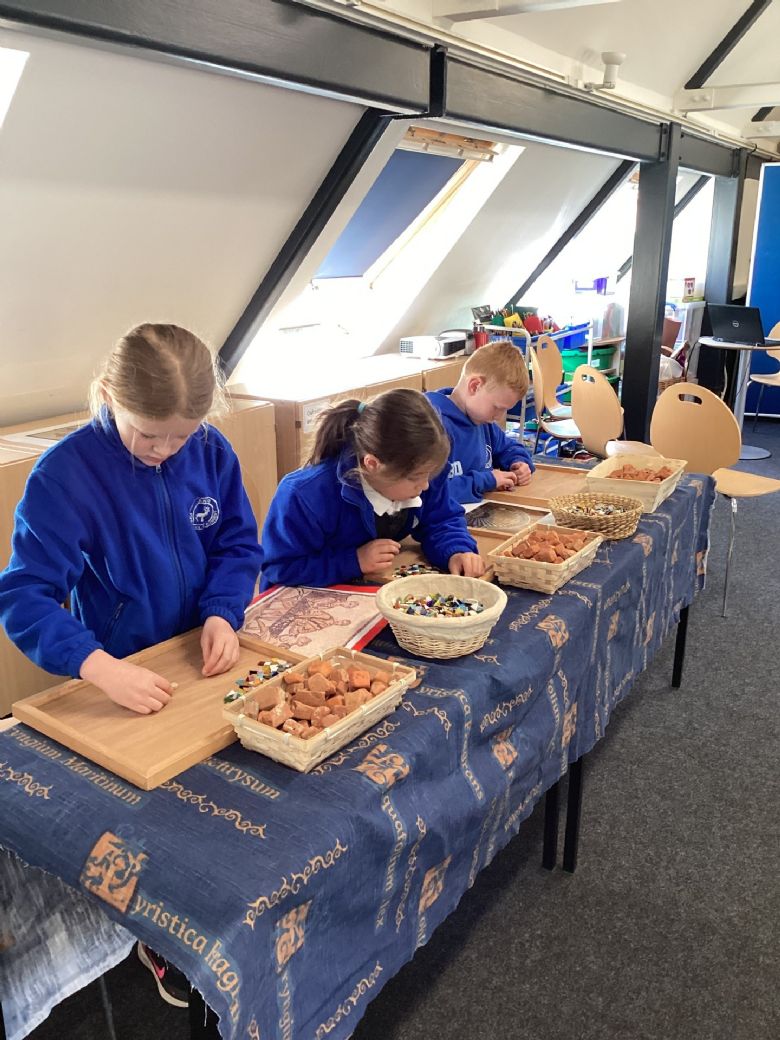
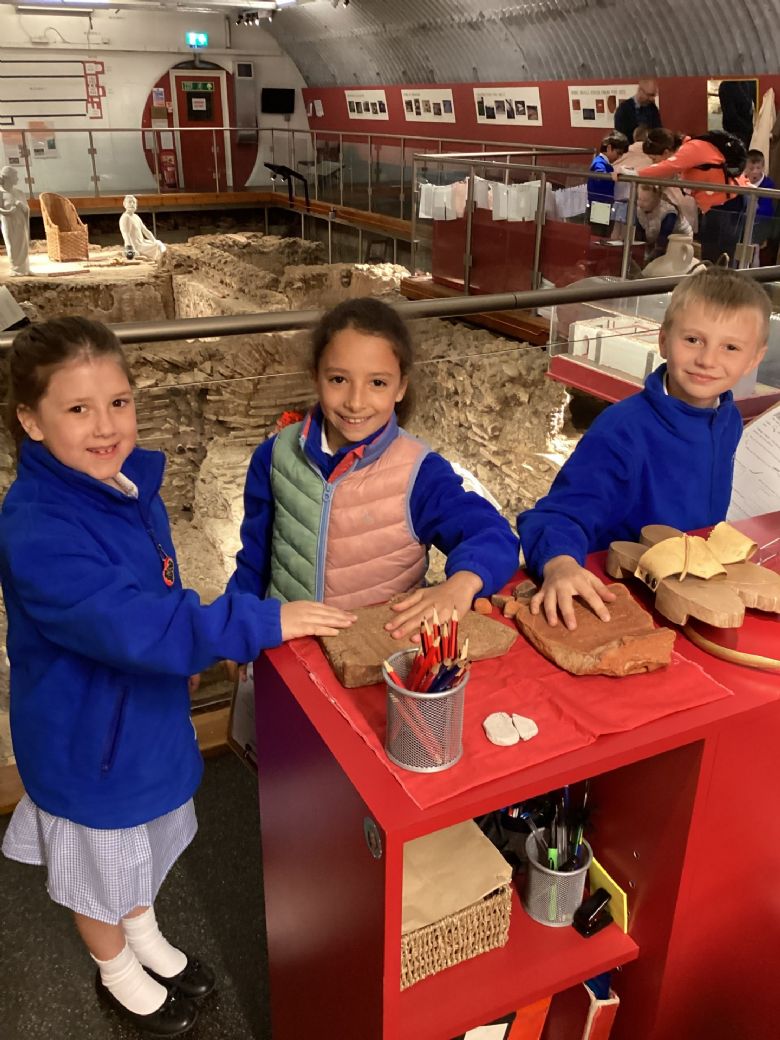
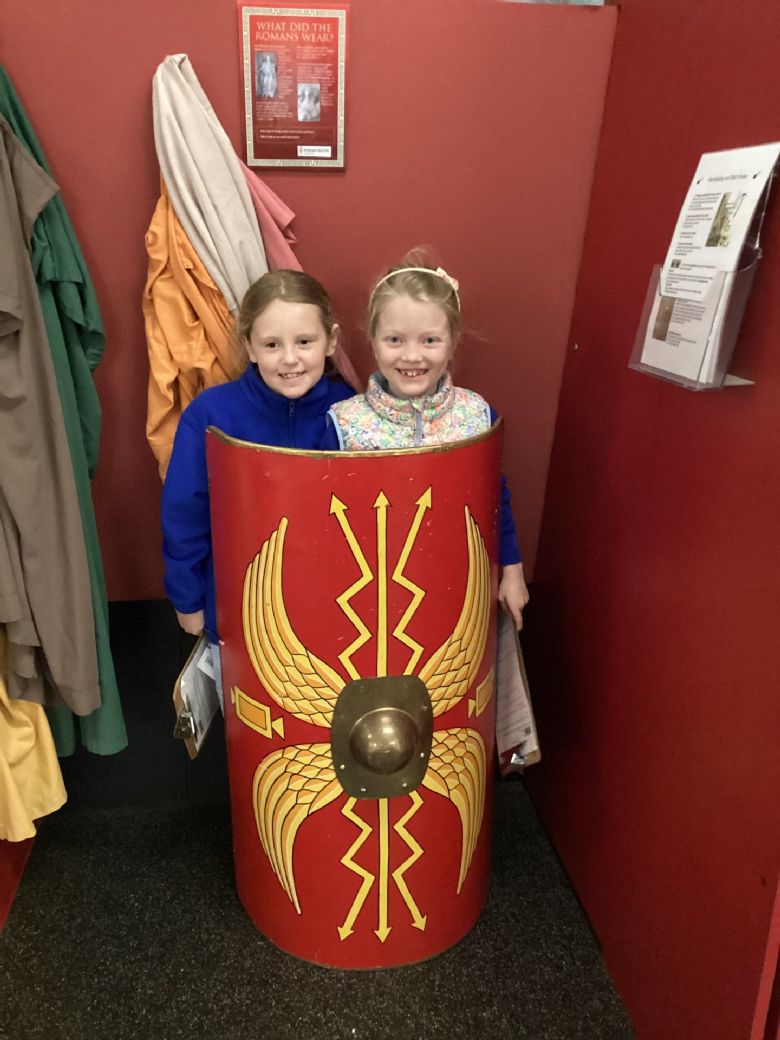
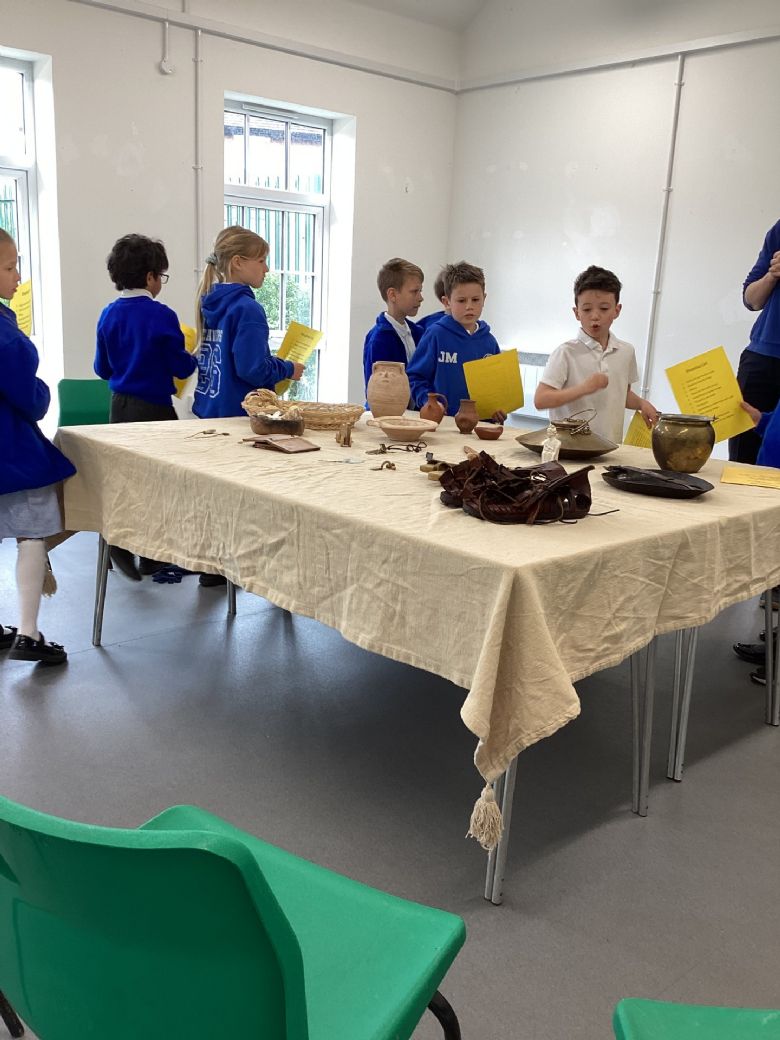
Our History curriculum provides children with opportunities to explore a wide range of people, places, events and periods, including our local history. Learning is enriched through practical activities, investigations, visits, workshops, fieldwork and the use of historical sources.
Teaching is enquiry-based, encouraging pupils to ask questions, use subject-specific vocabulary and develop the skills needed to think and work like historians. Lessons build progressively on children’s knowledge, reasoning and enquiry skills, with appropriate support and challenge to enable every pupil to succeed.
History is taught through the Grammarsaurus scheme of work, while teachers make meaningful links with other areas of the curriculum to enrich learning. Units are organised around enquiry questions in Key Stages 1 and 2, while EYFS learning is developed through a combination of adult-led and child-initiated activities.
Across the school, children develop their understanding of key historical concepts:
- Change and continuity
- Cause and consequence
- Similarities and differences
- Historical significance
- Historical interpretations
- Sources and evidence
These concepts are explored through local, British and world history, enabling pupils to develop a secure understanding of the past and make informed historical judgements.
Impact
The impact of our History curriculum is monitored through ongoing formative and summative assessment. Teachers assess pupils against learning objectives throughout each unit, using end-of-unit assessment opportunities to measure knowledge, understanding and progression.
The impact of our History curriculum is evident in pupils who:
- Develop a secure knowledge of local, British and world history.
- Understand key historical concepts such as power, invasion, settlement, migration, civilisation, religion, trade and society.
- Develop chronological understanding and make connections across different periods.
- Use historical evidence and sources to ask questions, investigate and form informed judgements.
- Explain cause and consequence, continuity and change, similarities and differences.
- Understand how historians use evidence and why interpretations of the past can differ.
- Appreciate the significance of important people, events and achievements.
- Use appropriate historical vocabulary to communicate their understanding.
- Meet the relevant EYFS Early Learning Goals and National Curriculum expectations for History at the end of Key Stages 1 and 2.
History in action!